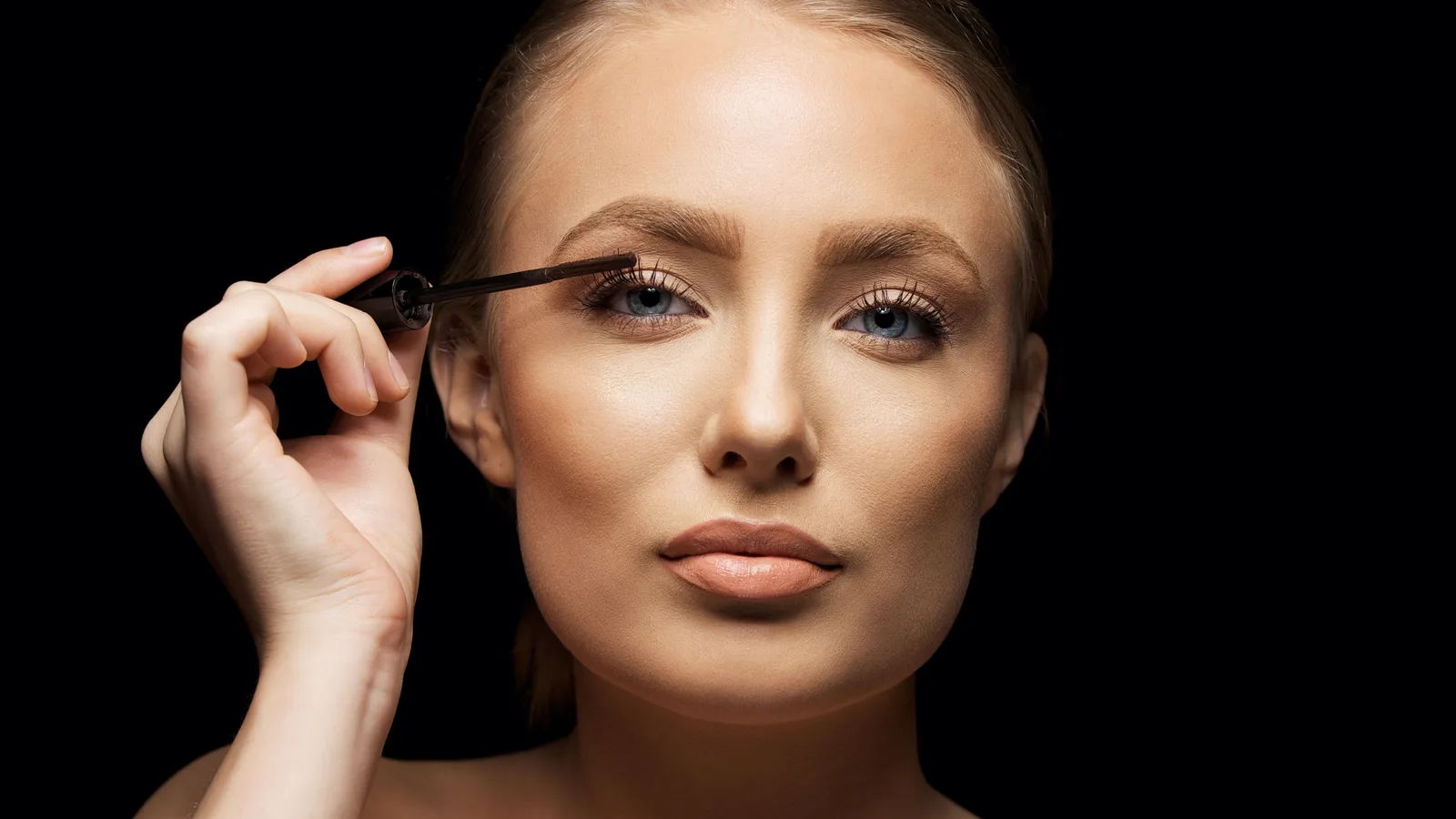
Brown vs Black Mascara: Which Shade Should You Wear?
Black mascara wins on versatility, but brown is better for soft daytime looks on fair skin and light eyes. We compare both shades here.
Brown vs black mascara: the short answer
Both shades darken, lift and separate lashes, but they read very differently on the eye. Black gives the sharpest contrast against the whites of the eye, frames the face in photographs and comes in every formula a brand makes. Brown sits a step back, softening the lash line so it looks as though your own lashes are simply better than usual.
Which one wins depends on the makeup you actually wear. If you keep one mascara in your bag and want it to work for a Tuesday morning meeting and a Saturday dinner, buy black. If your routine is deliberately quiet — tinted moisturiser, cream blush, gloss — brown will look far more like you and far less like makeup.
Brown vs black mascara side by side
The differences that actually change how your eyes look
What matters
brown
- Effect on the eye
- Soft, feathery definition that looks like your own lashes, only better
- Best eye colours
- Blue, green, grey and hazel eyes, particularly in daylight
- Best hair colours
- Blonde, red, light brown and silver hair
- Daytime vs evening
- Made for offices, school runs and no-makeup makeup
- Choice of formulas
- Narrower — some ranges offer a single brown, and waterproof browns are scarce
- Forgiveness
- Clumps, smudges and flakes are almost invisible
- On camera
- Can disappear in flash and low indoor light
- Lower lash line
- Gentle enough for lower lashes and inner corners
black mascara
- Effect on the eye
- Sharp contrast that frames the eye and makes the whites look brighter
- Best eye colours
- Deep brown and black eyes, though it suits any eye colour at night
- Best hair colours
- Dark brown, black and cool ash hair
- Daytime vs evening
- The default for evenings, events and being photographed
- Choice of formulas
- Every formula, wand and finish a brand makes, including waterproof and tubing
- Forgiveness
- Clumps and flakes show up quickly, especially on bare skin
- On camera
- Reads clearly on screen and in photographs
- Lower lash line
- Can look heavy underneath unless applied sparingly
What actually separates the two shades
Brown mascara is not black mascara watered down. The pigment is different, and so is the undertone: browns are built on iron oxide pigments that run from warm chestnut with a red base to cool, almost grey ash browns. That undertone matters far more than the word on the tube. A warm brown on very dark lashes can look almost rust-coloured in sunlight, while an ash brown can sink into silver lashes and practically vanish.
Black holds its colour at any distance. It creates the strongest possible contrast between the lash line and the white of the eye, which is why it reads as definition from across a room. On pale skin with fair lashes, a heavy black formula can look drawn on, so one coat of a lengthening black is often plenty.
Light is the other half of the story. Brown looks its best in daylight, where the softness is visible. Under warm indoor bulbs the difference between the two narrows, and in direct flash brown can flatten out until it looks as though you forgot mascara altogether.
Choose brown mascara if...
- Your lashes are fair, fine or sparse. Brown adds depth without the spider-leg effect black can create on delicate lashes.
- You are blonde, red-haired or silver-haired. The shade sits in the same family as your lashes instead of fighting them.
- You have blue, green or grey eyes and pale skin. Brown keeps the contrast gentle, which keeps the whole face looking softer.
- You work somewhere conservative. Brown reads as grooming rather than as a full face of makeup.
- You like definition on the lower lash line. Brown underneath is far more forgiving than black, particularly on the inner corners.
- You want a look that survives being seen up close. Brown is the shade that holds up in daylight, in a meeting room and in a selfie taken at arm's length.
Choose black mascara if...
- You want one mascara and nothing else. Black is the safe answer for mornings, evenings and everything between.
- You are being photographed. Black holds its shape in flash and low light; brown can wash out.
- Your hair and eyes are dark. Black matches the natural depth of your lashes rather than lightening them.
- You need a waterproof or tubing formula. These are widely made in black and hard to find in brown.
- You wear glasses. Black keeps its definition behind frames, where softer shades can blur.
- Your lashes are short or thin. Black gives more visible lift and separation at a distance, which is usually what you are after.
Wearing brown and black together
You do not have to pick a side. A very common combination is black on the top lashes and brown on the bottom, which gives the eye definition without the panda effect underneath. Equally, a coat of brown followed by black at the tips creates a soft root with a darker edge — useful if black alone feels blunt but brown alone feels underdone.
What does not work is layering black over brown and expecting the result to look like black. Once you build two or three coats, brown deepens towards black anyway, so the shade stops doing the job you chose it for. If softness is the goal, keep the coats down and use a clean wand or lash comb to separate.
Mistakes to avoid with either shade
- Matching the mascara to your hair rather than your lashes. Your natural lash colour is the better guide; very dark lashes under blonde hair can still take black.
- Buying brown blind online. Brown varies wildly between brands, from a warm reddish chestnut to a cool grey-brown. Check swatch photos on real lashes if you can.
- Assuming brown is the 'natural' option on everyone. On dark lashes a light brown can look dusty rather than soft.
- Skipping the curl. Curling lashes does more for an open-eye look than switching shades ever will.
Brown vs black mascara: your questions answered
Does brown mascara look more natural than black?
Can I wear black mascara with blonde hair?
Is brown mascara better for blue eyes?
Which shade suits the lower lash line?
Does brown mascara smudge less than black?
Should I change my mascara shade with the seasons?
Related articles

BB Cream vs Foundation: Which One Should You Wear?
BB cream or foundation? We compare coverage, shade range, SPF and wear time — and name the overall winner for everyday and occasion makeup.
Side by Side
Concealer vs Foundation: Which Do You Actually Need?
Concealer or foundation? We compare coverage, finish, staying power and shade matching so you know which to buy — and when you genuinely need both.
Side by Side