
MAC Studio Fix Fluid review: coverage, finish and who it suits
MAC Studio Fix Fluid reviewed: coverage, finish, wear and shade matching, plus who this matte, long-wearing foundation genuinely suits.
What MAC Studio Fix Fluid is — and who it's for
Studio Fix Fluid is the liquid foundation MAC built its complexion reputation on: a medium-to-full coverage formula with a natural matte finish, sold in a weighty glass bottle at every MAC counter. It sits at the fuller-coverage, longer-wearing end of the brand's range rather than the glow-giving end — if you know MAC for its sheer, dewy bases, this is the opposite personality.
It's aimed squarely at people who want their base to stay put: oily and combination skin, long shifts, weddings, photographs, anyone who has watched a sheer foundation quietly disappear by lunchtime. It's also a kit staple for makeup artists, because the coverage photographs cleanly and the shade range is broad enough to match most skin tones without mixing.
- Format
- Liquid foundation in a glass bottle
- Coverage
- Medium to full, buildable in layers
- Finish
- Natural matte
- Best suited to
- Oily and combination skin; anyone who needs longevity
- Sun protection
- SPF 15 in the formula
- Shade naming
- NC (golden) and NW (pink) undertone system
- Shade range
- One of the widest in mainstream foundation
- Application
- Damp sponge for medium coverage, dense brush for full
The verdict: a dependable full-coverage classic
Four out of five feels right. Nothing about Studio Fix Fluid is gimmicky: it covers, it lasts, and it comes in enough shades that most people can find something close to their own skin. The marks come off for comfort and forgiveness — this is a formula that expects your skin to be prepped, and it punishes dryness and texture in a way that lighter bases don't.
Strengths and weaknesses
What it does well
- Coverage builds in thin layers before it starts to look heavy
- The matte finish holds and keeps shine down through a long day
- The shade range is genuinely wide, with proper olive and deep options
- A small amount covers the whole face, so a bottle goes a long way
- Behaves predictably — the same result at home as at a counter
Where it falls down
- Clings to dry patches and fine lines if skin isn't well moisturised
- Can settle slightly deeper on the skin as the day goes on
- Heavy glass bottle isn't travel-friendly and is awkward to decant
- Rewards careful blending; applied thickly it looks mask-like
- Premium pricing for something many people wear daily
How it scores on the things that matter
- Coverage and buildability
- 5.0/5
- Sheer through to full without reaching for a second product, and it stays workable long enough to blend properly.
- Finish and comfort
- 3.5/5
- Polished and velvety on oily skin; flat and tight on dry skin by mid-afternoon.
- Wear and shine control
- 4.5/5
- The main reason people stay loyal — it holds through long days, warm rooms and photographs.
- Shade range and undertones
- 5.0/5
- Broad enough that most people find a match, including olive and deeper tones that other ranges miss.
- Ease of application
- 3.5/5
- A damp sponge or dense brush gives a good result; fingers tend to leave it patchy.
- Value for money
- 3.5/5
- A little goes far, but the upfront price is high for a daily foundation.
Read the scores together rather than individually. Coverage, wear and shade range are the reasons to buy it; comfort and application are where the compromises sit. If the first three matter more to you than the last two, you'll be happy with it.
Coverage, finish and how it behaves on the skin
Two things surprise people using it for the first time. The first is how little you need — one pump is enough for medium coverage over the whole face, and most people over-apply on day one and conclude it's heavy.
The second is how quickly it sets. This is a matte formula that grabs, so it works better in sections — one cheek, then the other, then the forehead, then the chin — than dotted all over the face and blended at the end. A damp sponge presses it down to a soft medium that still looks like skin; a dense buffing brush gives the fullest, most polished finish. The result is matte but not chalky, provided you haven't applied too much.
Getting the shade right when NC and NW confuse everyone
MAC's shade naming is the single biggest source of mismatches. At MAC, NC stands for neutral cool but describes the shades with a golden, yellow cast, while NW shades are the pinker ones. That's the opposite of what most people assume, which is why someone who is 'cool' in every other brand often ends up wearing an NC here.
If you're between two shades, take the lighter one. High-coverage matte formulas can settle a touch deeper as they warm up on the skin, and it's far easier to add warmth with bronzer than to lighten a base that's gone too dark.
Wear, skin type and the SPF caveat
On oily and combination skin this is close to ideal: the matte finish absorbs shine rather than sitting on top of it, and it stays put through a long day with only a light powder touch-up. On dry skin it needs help — a richer moisturiser underneath, a hydrating primer, and a damp sponge rather than a brush. On textured or scarred skin, a smoothing primer makes a noticeable difference to how evenly it sits.
One thing the SPF in the formula won't do is replace your sunscreen. You'd need a far thicker layer than anyone wears foundation to get near the protection on the label, so treat it as a small bonus and wear a dedicated SPF underneath.
How to apply it for the best result
1. Start with well-moisturised skin
Give your moisturiser a few minutes to sink in. Dry, unprimed skin is where this formula looks its worst.
2. Use one pump, not three
One pump covers the whole face at medium coverage. You can always add a second layer where you need it.
3. Apply in sections with a damp sponge
Press and roll rather than sweeping. Work one area at a time so the formula doesn't set before you've blended it.
4. Build only where you need it
Tap a little extra over redness, pigmentation or blemishes instead of adding a heavier layer everywhere.
5. Set selectively
Powder the T-zone and any areas prone to shine; leave the cheeks bare if you want to keep some life in the finish.
Who should buy it, and who should skip it
Buy it if your skin is oily or combination and you're tired of bases that slide, if you have a long day or an occasion where you can't touch up, or if you've struggled to find a shade match elsewhere — the range is the strongest argument for it.
Skip it if your skin is dry, flaky or easily dehydrated, because the matte finish will find every patch. Skip it too if you want a sheer, glowy base, or if you only wear foundation a couple of times a month — a full bottle is a lot of money to have sitting in a drawer going off.
Buying advice before you commit
- Get matched in person if you can. Ask for a sample pot of your closest two shades and wear each for a full day before deciding.
- Check what's in the box. MAC has sold this bottle both with and without a pump over the years and across markets, so confirm before you pay.
- Think about shelf life. Liquid foundation is typically good for around 12 months once opened — check the symbol on the bottle and be honest about how often you'll wear it.
- Don't buy it for the SPF. It's a nice extra, not a reason to choose it over another foundation.
- Budget for the extras. A decent damp sponge or buffing brush makes a real difference to how this formula looks.
Frequently asked questions
Is MAC Studio Fix Fluid oil-free?
Can I wear it if my skin is dry?
Do I need a primer underneath?
How does it differ from Studio Fix Powder Plus Foundation?
Can I mix it with moisturiser for a lighter finish?
Related articles
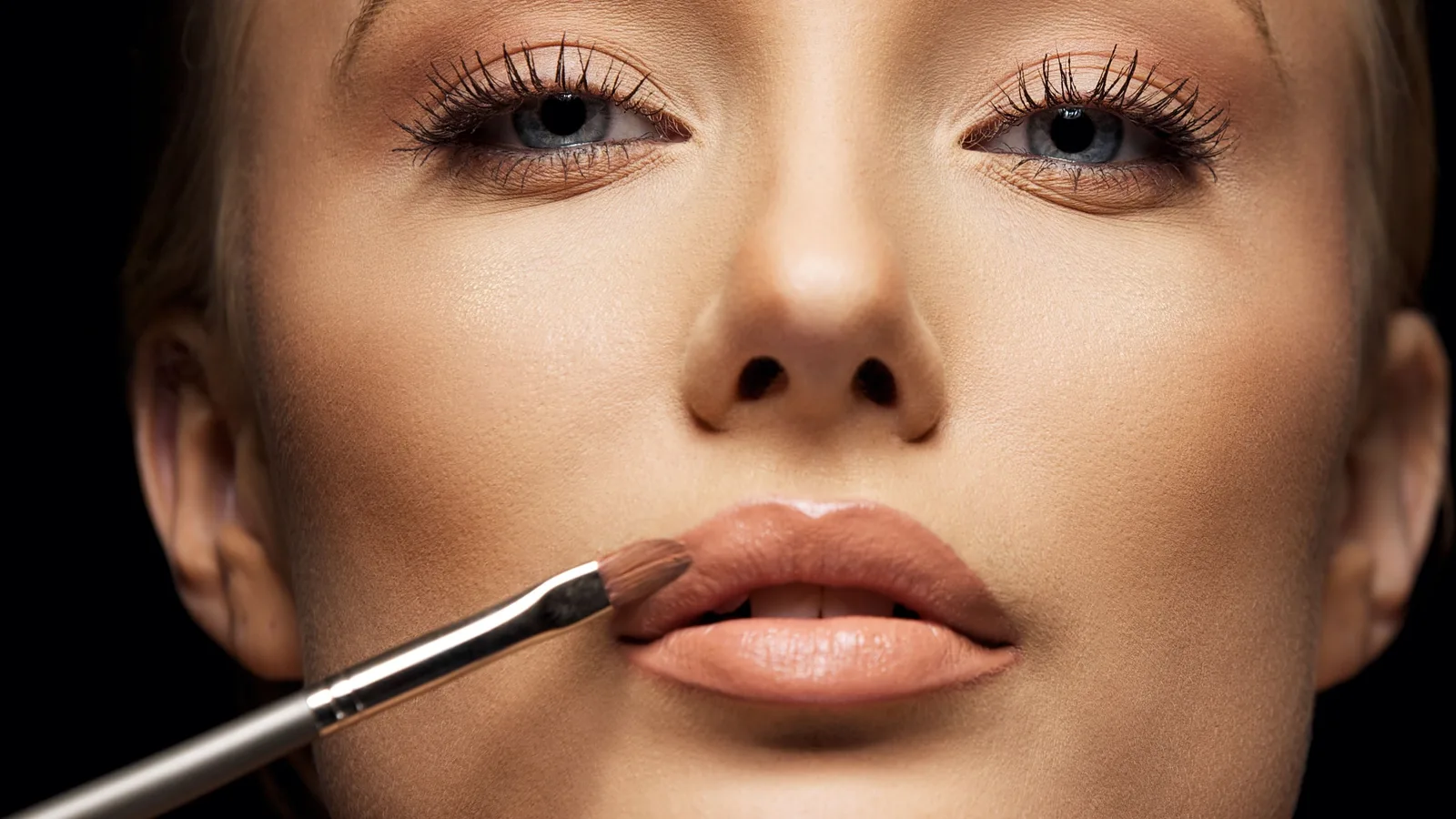
Charlotte Tilbury Pillow Talk lipstick review
A clear-eyed review of Charlotte Tilbury's Pillow Talk lipstick: shade depth, matte vs satin finishes, wear, who it suits and what to check before buying.
One Product, Reviewed
e.l.f. Power Grip Primer review: does the tacky gel deliver?
A clear, tacky gel primer that grips foundation and keeps it in place — we weigh up hold, finish, feel, value and who it genuinely suits.
One Product, Reviewed
Laura Geller Makeup Review: Are the Baked Formulas Worth It?
A practical review of Laura Geller makeup, covering baked foundations, primers, finish, shade matching and who the line suits best.
One Product, Reviewed
L'Oréal True Match Foundation Review: A High-Street Staple
A clear-eyed look at L'Oréal True Match foundation: shade range, finish, coverage and staying power, plus who it suits and who should skip it.
One Product, Reviewed
Maybelline Sky High Mascara Review: Lengthening Worth It?
Our Maybelline Sky High mascara review covers its lengthening effect, flexible brush, wear, strengths and drawbacks, plus who should buy it.
One Product, Reviewed
Urban Decay All Nighter Setting Spray Review
A practical review of Urban Decay All Nighter Setting Spray: who it suits, where it falls short and whether it deserves a place in your make-up bag.
One Product, Reviewed