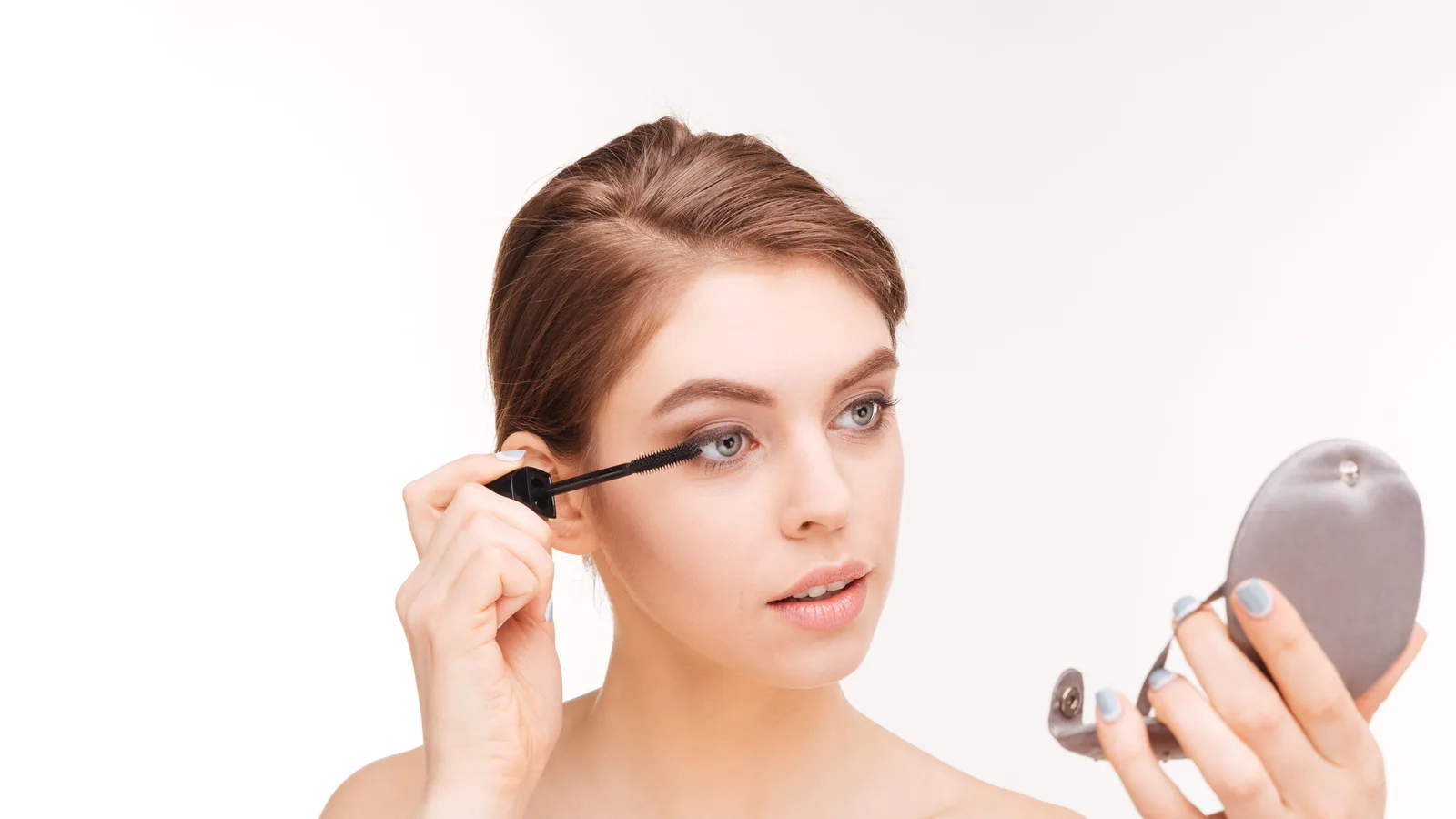
How to Stop Mascara Smudging: A Practical Guide
Stop mascara smudging with a practical routine: prep oily lids, apply less, shield the under-eye and set with powder. Plus fixes for panda eyes.
The short answer
Smudging is almost always a mix of three things: oil on the skin around your eyes, too much mascara on the lashes, and a formula that never quite sets. Fix those and most panda eyes disappear.
The short version:
- Clean and dry the lid and under-eye area, then dust a thin layer of translucent powder below the lower lash line before you go anywhere near the mascara.
- Curl your lashes first and wipe the excess product off the wand.
- Apply one thin coat from root to tip and let it dry before you decide on a second.
- Shield the under-eye with a card or a folded tissue when you do the lower lashes, or leave them bare.
- Choose a tubing or water-resistant formula if your eyes water or your lids are oily, and take it off properly at night.
If the damage is already done, wait for the smudge to dry, flick it away with a dry cotton bud, then touch up with concealer and powder.
Why mascara smudges in the first place
Mascara is a mix of waxes, pigments, film-formers and water. It stays put while that film is intact and moves when something breaks it down. The usual culprits are sebum from the skin around the eyes, sweat, tears, humidity and rubbing — and the under-eye area is thin, creases when you smile and moves every time you blink.
What you see
Likely cause
- Grey smudges under the eyes by lunchtime
- Oil from the lids and under-eye breaking down the film
- Flakes and dots on the cheeks
- Too much product or a formula that has dried out
- Smudging only along the lower lash line
- Lower lashes touching the skin when you blink
- Transfer onto the eyelid crease
- Hooded or oily lids touching the lashes
- Runs after tears, rain or the gym
- A water-based film that isn't water-resistant
- Smudging on one side only
- Sleeping on that side, rubbing that eye, or one eye watering more
What to change
- Grey smudges under the eyes by lunchtime
- Powder the under-eye and switch to a tubing or water-resistant formula
- Flakes and dots on the cheeks
- Wipe the wand before each coat and replace old mascara
- Smudging only along the lower lash line
- Use less product on the lower lashes, or skip them entirely
- Transfer onto the eyelid crease
- Curl the lashes, keep the coat thin and set the lid with powder
- Runs after tears, rain or the gym
- Try a water-resistant or tubing formula for those days
- Smudging on one side only
- Watch your habits and keep your hands away from your face
What you need before you start
Gather these first, so you're not hunting for a cotton bud with a freshly coated lash in the way:
- A gentle eye make-up remover or micellar water, plus cotton pads and cotton buds
- Translucent setting powder and a small fluffy brush
- An eyelash curler with clean pads
- A clean spoolie or lash comb
- A stiff card, a folded tissue or the back of a spoon to shield the under-eye
- Your mascara, plus a tubing or water-resistant option if smudging is a regular problem
- A little concealer and a small brush for touch-ups
Step by step: how to stop mascara smudging
1. Start with clean, dry skin around the eyes
Cleanse the eye area and remove any leftover make-up or eye cream. Oily lids and residue from a rich cream give mascara something to slide on. If you use an eye cream, apply it ten to fifteen minutes before make-up, or use a lighter gel in the morning and save the richer cream for the evening.
2. Powder the under-eye and lid before mascara
Load a small brush with translucent powder, tap off the excess and press a thin layer under the lower lash line, into the outer corner and over the lid if it's oily. This gives the mascara a dry surface to fall onto and absorbs oil through the day. Don't pack it on — too much powder creases and looks chalky.
3. Curl your lashes before you apply anything
Hold the curler at the root for a few seconds, then walk it halfway up the lash and press again. Curled lashes point away from the skin, so there's less contact and less transfer. Wipe the curler pads clean: leftover mascara makes lashes stick and clump.
4. Take the excess off the wand
Pull the wand out and scrape it against the neck of the tube, or blot it lightly on a clean tissue. A loaded wand puts a thick, wet blob on the lashes that takes ages to dry and inevitably ends up on your skin. If the formula has thickened or dried out, replace it rather than thinning it with water.
5. Apply one thin coat from root to tip
Place the wand at the base of the lashes, wiggle gently to lift them, then sweep to the tips. Do the upper lashes first and keep your eye relaxed — raising your eyebrows stretches the lid and pushes it into the lashes. Let the first coat dry for half a minute before deciding whether you need a second.
6. Shield the skin when you do the lower lashes
Hold a card or a folded tissue under the lower lash line, or use the back of a spoon (cool it first). Coat only the tips of the lower lashes with what's left on the wand, or use a clean spoolie. Most under-eye smudges come from a heavy lower coat, not from the upper lashes.
7. Set it and leave it alone
Once the mascara is dry, dust a little more translucent powder under the eye with a small brush. Then keep your hands off: rubbing, checking and touching the lashes is the fastest way to create a smudge. If you tend to touch your eyes, keep a tissue in your pocket and blot instead.
8. Check in daylight before you leave
Look down and up in a mirror near a window, and check the outer corners and under-eye. Fix anything now with a dry cotton bud, while it's still a small fleck rather than a full panda eye.
Choosing a mascara that stays put
Formulas behave differently, and the right one depends on why yours smudges.
- Regular water-based mascara is the easiest to remove but breaks down fastest with oil, sweat and tears.
- Water-resistant formulas hold up better against tears and humidity, and usually come off with warm water and cleanser.
- Waterproof mascara is the most resistant, but it needs an oil-based or bi-phase remover and shouldn't be tugged at.
- Tubing mascara wraps each lash in a polymer film; it resists smudging well and slides off with warm water and gentle pressure, though it can flake if you rub your eyes.
What to do in specific situations
Situation
Why it happens
- Oily or hooded lids
- Sebum, plus the crease rubbing against the lashes
- Watery eyes or hay fever
- Tears break down the film from the inner corner
- Contact lenses
- Touching the eyes to insert or remove lenses, and solution on the fingers
- Gym, hot kitchens or long days
- Sweat and heat soften the waxes in the formula
- Crying
- Water plus rubbing
- Wearing glasses
- Lashes brushing the lenses, and the frame pushing lashes onto the skin
What helps
- Oily or hooded lids
- Powder the lid and under-eye, curl the lashes and keep the coat thin
- Watery eyes or hay fever
- Use a water-resistant or tubing formula, avoid the inner lower lashes and blot rather than rub
- Contact lenses
- Put lenses in before eye make-up, wash and dry your hands, and choose a formula that doesn't flake
- Gym, hot kitchens or long days
- Go lighter on the lower lashes, set with powder and keep a tissue to hand
- Crying
- Let the tears dry, blot, and fix with a dry cotton bud rather than wiping
- Wearing glasses
- Curl the lashes and keep the coat thin, especially at the outer corner
Common mistakes that cause smudging
Mistake
Why it backfires
- Powdering after mascara
- The powder sticks to wet mascara and looks patchy, and it can't absorb oil that's already there
- Curling after mascara
- The curler grabs the coated lashes and can pull them out or leave a kink
- Pumping the wand in and out of the tube
- It pushes air in, dries the formula and adds clumps
- Adding water to a dry mascara
- It changes the preservative system and introduces bacteria
- Rubbing a smudge with a wet finger
- It spreads the pigment over a wider area and takes the base make-up with it
- Sleeping in mascara just this once
- It transfers to the pillow and the skin, and lashes become brittle
Do this instead
- Powdering after mascara
- Powder the under-eye and lid before you apply mascara
- Curling after mascara
- Curl first, on clean lashes, then apply
- Pumping the wand in and out of the tube
- Twist the wand out in one go and wipe off the excess
- Adding water to a dry mascara
- Replace the mascara if it has dried out or smells different
- Rubbing a smudge with a wet finger
- Wait for it to dry, then flick it with a dry cotton bud
- Sleeping in mascara just this once
- Remove it every night, even if you do nothing else
How to remove mascara without smudging everything
1. Soak a cotton pad and hold it on the eye
Saturate a cotton pad with eye make-up remover or micellar water, close the eye and hold it against the lashes for twenty to thirty seconds. Let the product do the work; don't press hard.
2. Wipe downwards and out
Wipe gently down the lashes and towards the temple. Wiping back and forth pushes mascara into the eye and breaks lashes.
3. Clean the lash line and corners with a cotton bud
Dip a fresh cotton bud in remover and run it along the lower lash line, the inner corner and the outer corner, where mascara collects.
4. Double cleanse and dry
Follow with your normal cleanser to remove oily residue, then pat the area dry with a clean towel. If you used an oil-based remover, a second cleanse stops it interfering with the rest of your skincare.
The 60-second rescue when it's already smudged
1. Leave it alone until it's dry
Wet mascara smears; dry mascara flicks off. Wait about thirty seconds and don't fan the eye with your hand, which only spreads it further.
2. Flick it off with a dry cotton bud
Use a dry bud with a small rolling motion. If the smudge is stubborn, dip the bud in remover, clean the area, then dry it with a tissue before touching up.
3. Rebuild the base
Tap a little concealer or colour corrector over the area with a small brush, then set it with a thin layer of powder. Press the concealer in rather than rubbing it.
4. Only reapply where you need it
Curl the lashes again and add a thin coat to the upper lashes. Don't add more to the lower lashes if that's where the problem started.
Mascara smudging: common questions
Does powder under the eye really stop mascara smudging?
Is waterproof mascara always the best choice for smudging?
Should I stop wearing mascara on my lower lashes?
Why does my mascara smudge under one eye and not the other?
Can I use setting spray on my lashes to stop smudging?
How often should I replace my mascara?
Related articles
How to Apply Foundation: The Best Way, Step by Step
The best way to apply foundation is thin layers, the right tool and a good colour match. Here is the step-by-step method, plus fixes for common mistakes.
Looks, Step by Step
How to Cover Dark Circles: A Step-by-Step Method
A step-by-step guide to covering dark circles: picking the right corrector, applying thin layers, setting without creasing or caking.
Looks, Step by Step
How to Store Makeup Brushes: The Best Way to Keep Them Clean
Keep brushes dry, shaped and dust-free with upright jars, divided drawers and travel rolls — plus the damp-bathroom mistake to avoid.
Looks, Step by Step
How to Clean a Beautyblender: Step-by-Step Washing Guide
A simple, safe way to wash a Beautyblender: the everyday method, a deeper clean for set-in foundation, how to dry it properly and what to avoid.
Looks, Step by Step
How Do You Apply Concealer? A Step-by-Step Guide
How to apply concealer properly: prep the skin, match the shade, blend under the eyes and cover blemishes without caking or creasing.
Looks, Step by Step
How to Cover a Hickey With Makeup (and Make It Last)
Concealer alone leaves a grey patch. Colour correct, conceal and set a hickey properly so it stays hidden through daylight, hugs and a full day out.
Looks, Step by Step
How to Apply False Eyelashes (Strip and Individual)
A step-by-step guide to applying false eyelashes cleanly at home, from trimming and gluing the strip to fixing lifting corners and removing safely.
Looks, Step by Step
How to Apply Makeup Step by Step (With Photo Checks)
A step-by-step makeup routine you can follow and check as you go: skin prep, base, brows, eyes, cheeks and lips, plus fixes for common mistakes.
Looks, Step by Step
How to Apply Mascara Without Clumps or Smudges
Learn how to apply mascara cleanly in a few minutes: prepare lashes, curl, build coats from the roots, avoid clumps and remove it safely.
Looks, Step by Step
How to Choose Concealer Colour: Match Undertone and Job
Match concealer to your undertone and to the job in hand — dark circles, spots or redness — using a daylight test, corrector guidance and quick fixes.
Looks, Step by Step
How to Choose a Foundation Shade That Actually Matches
Match foundation properly: work out your undertone in daylight, swatch three shades along the jaw, allow for oxidation, and check against your neck.
Looks, Step by Step
How to Clean Makeup Brushes: A Step-by-Step Guide
Wash make-up brushes without wrecking the bristles: the short answer, a step-by-step method, drying tips and how often each brush needs a clean.
Looks, Step by Step
How to Do a Natural Makeup Look: Step-by-Step Guide
Learn how to do a natural makeup look in order: skin prep, sheer base, soft brows, wash of colour and a tinted lip, plus fixes for common mistakes.
Looks, Step by Step
How to Do Eye Makeup for Hooded Eyes: A Step-by-Step Guide
Learn how to do eye makeup for hooded eyes: where to place shadow, liner shapes that survive the fold, and fixes for smudging and transfer.
Looks, Step by Step
How to Do Winged Eyeliner for Beginners, Step by Step
A beginner's step-by-step guide to winged eyeliner: choosing a liner you can control, finding your flick angle, building the wing and fixing mistakes.
Looks, Step by Step
How to Get Makeup Out of Clothes: Stain-by-Stain Guide
Blot, lift the oil, then wash: a step-by-step guide to removing foundation, lipstick, mascara and powder from clothes without spreading the stain.
Looks, Step by Step
How to Look Good Without Makeup: A Practical Daily Routine
A practical, no-nonsense guide to looking good without makeup: skin prep, brow and lash grooming, colour, and fixes for what usually goes wrong.
Looks, Step by Step
How to Remove Make-up Properly, Step by Step
How to remove make-up properly, step by step: cleanse eyes first, double cleanse, and avoid the tugging and scrubbing that irritates skin.
Looks, Step by Step
How to Remove Mascara Gently, Without Losing Lashes
A step-by-step guide to taking off mascara gently — including waterproof formulas, lash extensions and the mistakes that leave residue behind.
Looks, Step by Step
How to Remove Waterproof Mascara Without Losing Lashes
Waterproof mascara needs oil, not water. Here's the gentle step-by-step removal method, plus fixes for residue, stinging and lash loss.
Looks, Step by Step
How to Use Colour Corrector: A Step-by-Step Guide
Colour corrector neutralises redness, dark circles and sallowness before concealer. Learn which shade to pick, how much to use and how to apply it.
Looks, Step by Step
How to Use Highlighter Makeup: Placement, Blending and Order
Learn where to place highlighter, which formula to use and how to blend it so it flatters your skin tone instead of sitting in patches.
Looks, Step by Step
How to Use Laura Geller Makeup: Baked Powders, Step by Step
A step-by-step guide to using Laura Geller baked powders: priming, swirling, tapping and buffing foundation, blush, eyeshadow and highlighter.
Looks, Step by Step